The Esh'mharel
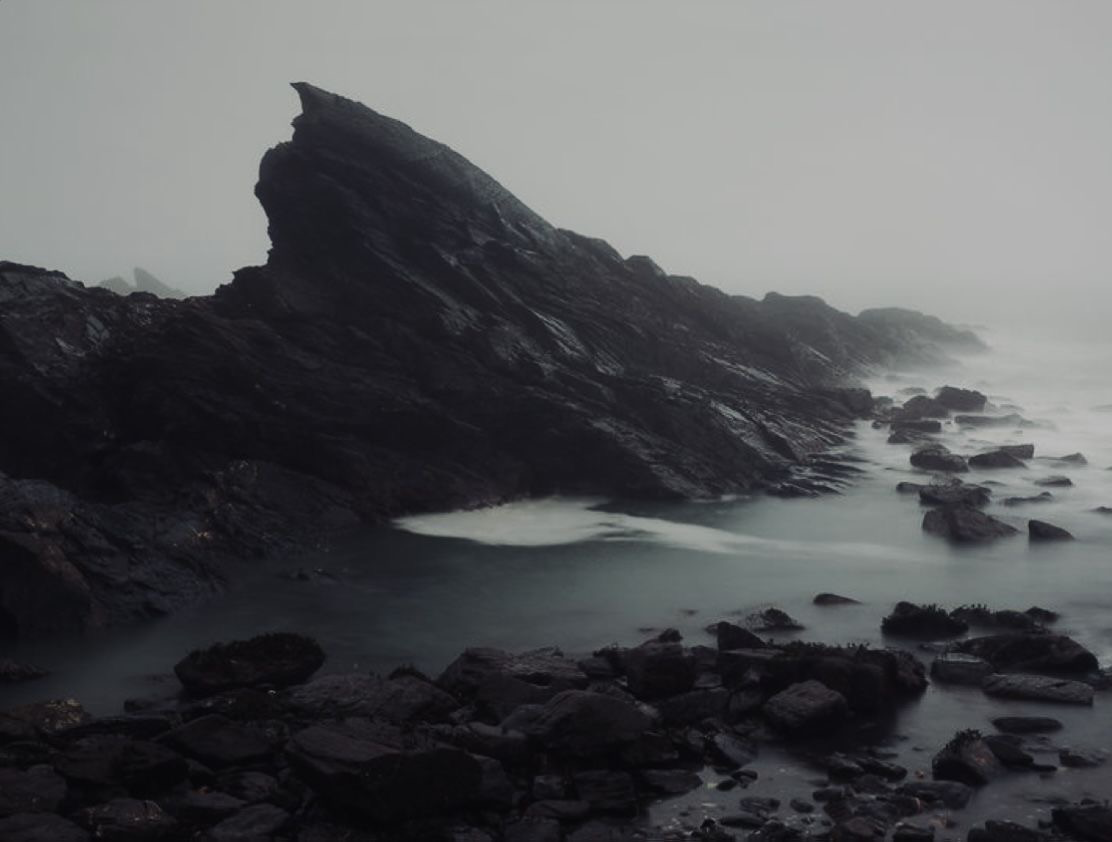
The Esh'mharel were once a secluded ethnolinguistic cat people who lived along the black basalt cliffs called the Thal’esh Marr or "The Marr", where the mountains met the sea. They were not a clan in the traditional sense. They believed blood, language, and memory were more important than territory. The Esh'mharel believed the cliffs physically stored echoes of the dead. Certain caves were considered sacred because songs lingered there unnaturally long after being sung. The Esh'mharel believed echoes were ancestors answering back. Their kittens learned songs before hunting. Crying loudly in public was shameful; grief was shown through humming. Tails touching during conversation symbolized trust. Their settlements were carved directly into cliffsides with winding tunnels that amplified songs through the stone.
Their culture revolved around voice-memory. Nothing important was written. History, grief, marriages, names of the dead, migration routes, and warnings were sung aloud in ritual cadence. An Esh'mharel who forgot their ancestors’ songs was considered spiritually severed.
Outsiders described them as eerie long-bodied cats with heavy ears, pale reflective eyes, and thick tails braided with shells, bones, and carved stone beads that told family histories.
Then came the Sha’marei, or the Long Silence. No one agrees exactly what caused it. Some say disease spread from lowland cats. Others claim the sea poisoned itself after earthquakes collapsed sulfur caverns into the water. The Esh'mharel vanished over only a few generations. Their language fractured and slowly their songs stopped.
Older fishermen might insist they hear “people humming” in the fog near the cliffs at night.
Most humans think it’s just wind passing through volcanic sea caves, but it's rarely just wind.